Sponsored opportunity development
Define real-world technical requirements and research milestones that a qualified sponsor might fund.
Explore sponsorship → Engineered by Arns Innovations · Inside Carbon Recycling Technologies
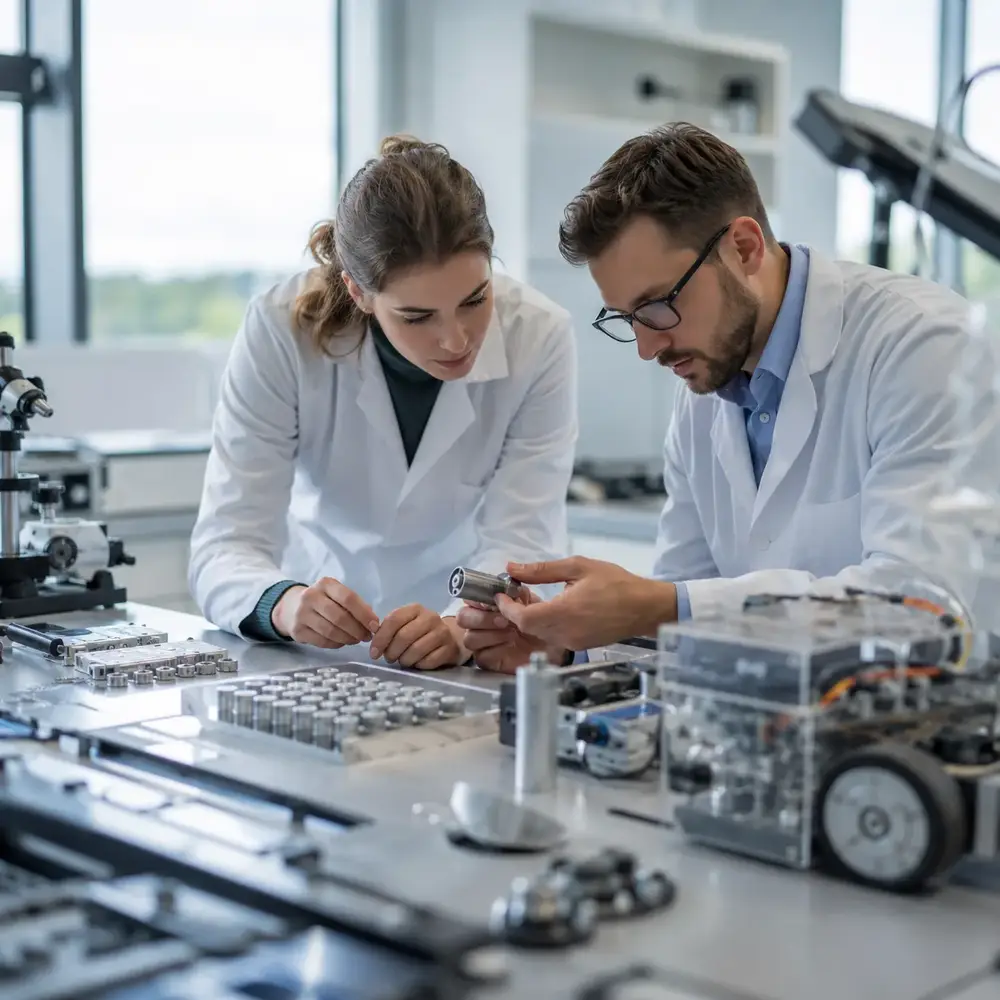
More sponsored opportunity development. Stronger licensing pathways. New research and potential inventions. Industry partners and ventures built alongside your inventors. Carbon Recycling Technologies connects what the market needs with what your laboratory can make possible.
No patent required to participate. Start with public, nonconfidential science, expertise or capabilities.
The aim isn't a larger patent directory. It's to create market-connected research and commercialization work worth pursuing.
Define real-world technical requirements and research milestones that a qualified sponsor might fund.
Explore sponsorship →Connect available IP with specific applications, missing capabilities and potential commercial partners.
Explore licensing →Use unmet technical requirements to define hypotheses, experiments and potential follow-on inventions.
Explore new research →Create research-connected venture opportunities with founders, operators and students who want to build.
Explore venture building →Inventors can remain scientific leaders while a commercial founding effort is built around the invention.
Explore a spinout →Develop a credible company-facing scope for R&D partnerships, strategic engagement and funding.
Explore partnerships →Scientific opportunities built around carbon markets and their missing functions—not just patents labeled carbon.
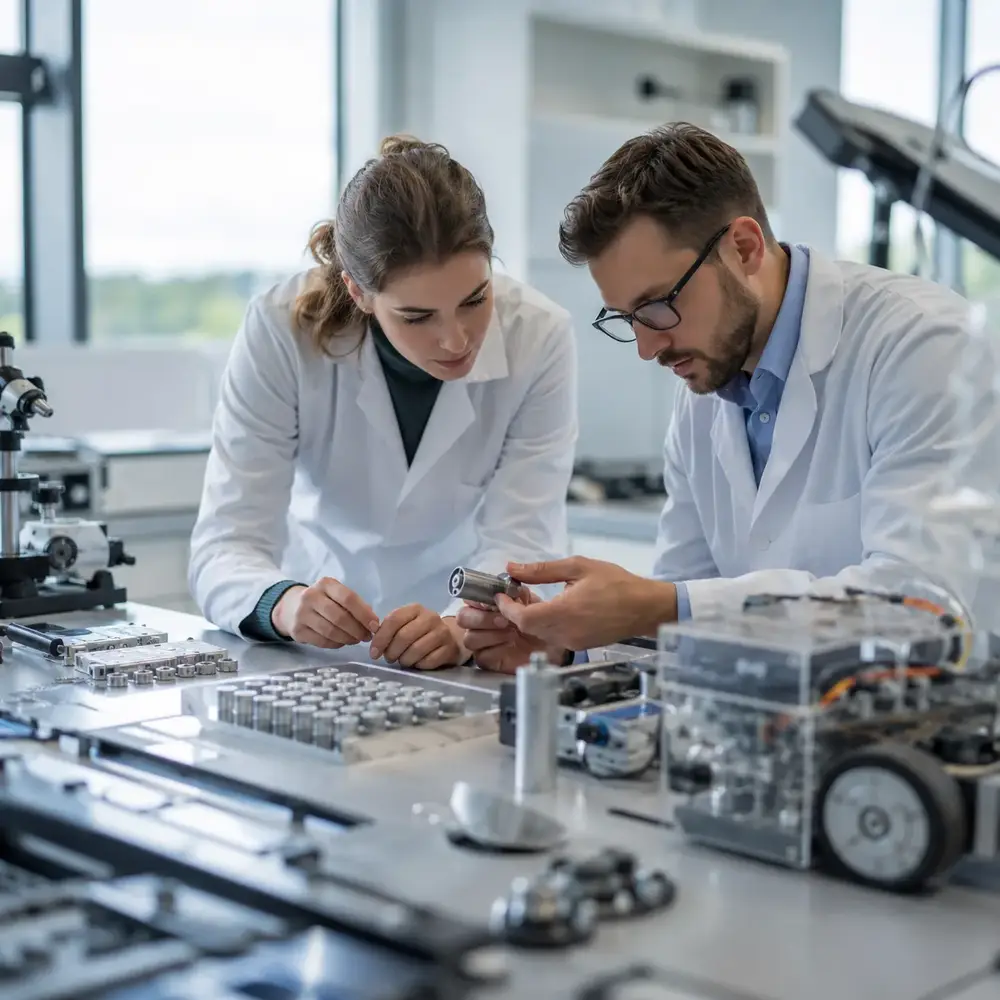
An invention is rarely the finished answer. Market requirements can expose missing chemistry, incompatible interfaces, untested performance or a new use that was never part of the original research.
CRT engineers commercial demand into institution-approved scientific work: fundable experiments, complementary IP, researcher participation, licensing and venture paths. No industry or sponsor relationship is implied until confirmed.
See how the full CRT system works ↗Every scientific and commercial configuration is designed around the real problem, the inventors, the research, the rights, and the receiving environment.
Investigate specific company priorities, operational constraints, physical environments and commercial objectives.
Output: market and requirements briefInvite TTO-approved IP, emerging research, inventor expertise and cross-laboratory complements.
Output: contributor and technical-fit mapTest physical interfaces, investigate gaps and shape falsifiable hypotheses, development configurations and budgets.
Output: proof plan and research work packagesWork toward sponsor interest, licensed IP, approved research programs, new ventures or deployment.
Output: negotiated scope or clear stop decisionCompany names here describe potential market contexts—not existing CRT-sponsored research programs.
Fuel cost, feedstock, certification, hydrogen, carbon conversion and infrastructure needs may create relevant research questions.
Industrial emissions, feed streams, mineral reactions, material specifications and separations offer different scientific entry points.
Airflow, cooling, waste, water, energy and regional resources can become scientifically testable opportunities.
Start with a nonconfidential introduction. Arns can help examine its market relevance and what a responsible sponsored, licensed or venture-building path would require. No one-size-fits-all submission or commercialization formula.