
Reveal the economic advantage
Explore what the company or place already buys, uses, makes, moves, emits, owns and wastes. Define why a real market buyer would care.
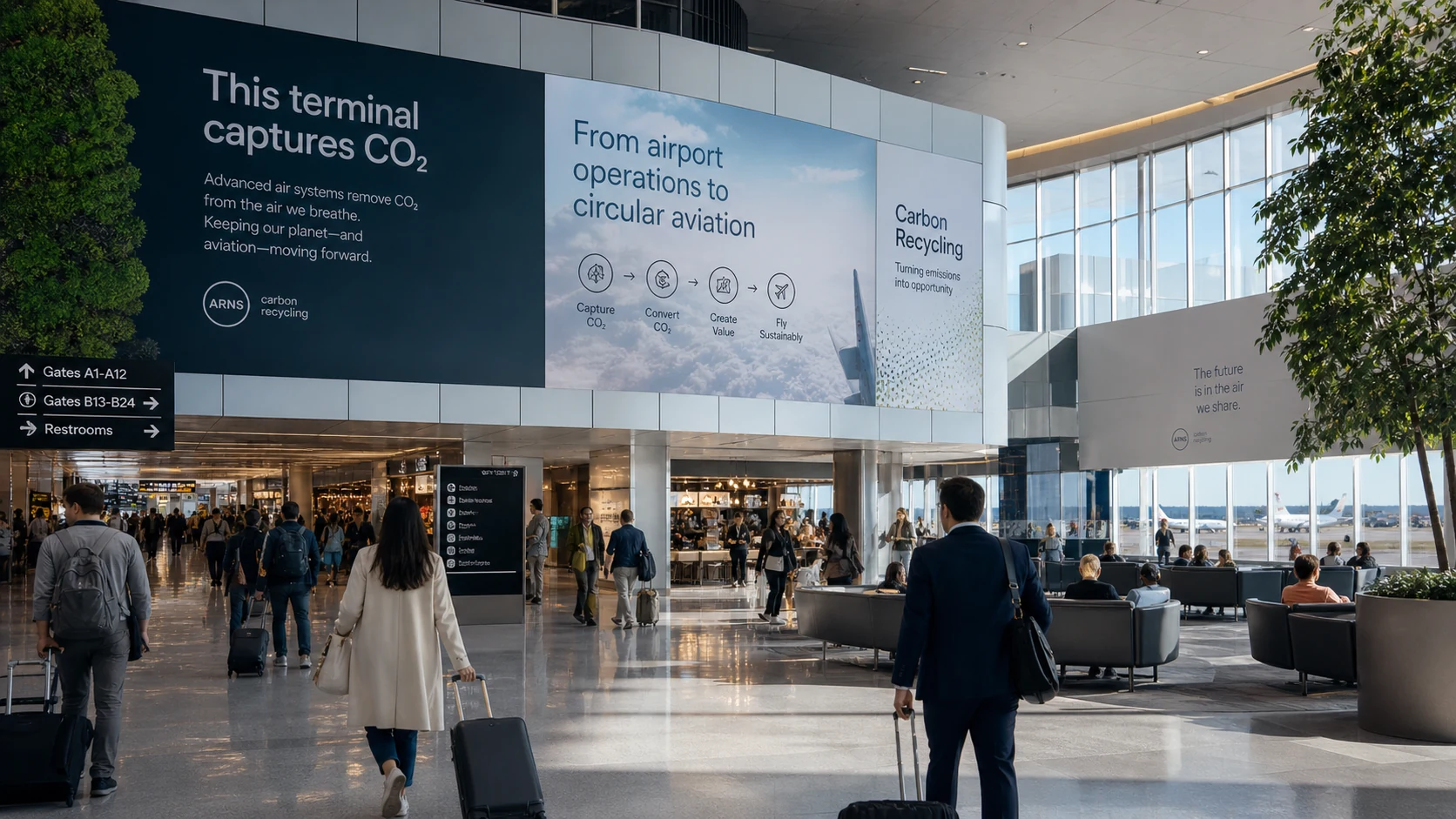
The world’s environmental and resource challenges reveal tremendous commercial possibilities. CRT starts with what businesses could gain—better economics, new products, strategic advantage—and connects market demand to the scientific work, partners, rights and financing that make those outcomes possible.
Shows where carbon already touches the economy and what it could make commercially possible.
Architects the commercial, scientific, governance and financing conditions needed for the next proof.
Connects inventors, students, institutions and research capabilities into authorized opportunity-development work.
For years, urgent environmental problems revealed unrealized business opportunities across energy, materials, buildings, supply chains and waste. Rather than wait for research grants or government programs to determine what could move forward, CRT set out to engage the companies, customers and industries that would ultimately use, purchase and benefit from the outcomes.
We design new opportunities around real business economics: reducing operating costs, creating products and revenue, improving resource productivity, securing supply, opening new markets and helping companies compete. Credible environmental benefits can make those opportunities more valuable—but a viable business case should not depend solely on climate sentiment, subsidies or policy priorities.
See the commercial-first model ↗Fund research → develop a technology → search for a customer
Reveal an economically valuable market opportunity → engage the prospective buyer early → assemble research, IP and partners → finance a bounded proof
Cost savings · products · offtake · licensing · new revenue · optional environmental premiums
Every opportunity must answer who benefits, what must be true and who can authorize the next step.
Explore what the company or place already buys, uses, makes, moves, emits, owns and wastes. Define why a real market buyer would care.
Understand who can buy, sponsor, host or license the outcome; distinguish curiosity from a budget, conditional interest and signed intent.
Connect source-grounded research, scientific collaborators, operators, institutional rights and the missing capabilities into a credible configuration.
Design a limited, sponsor-ready work plan with costs, success and stop criteria, research roles, governance, responsibilities and economics.
Proceed through authorized sponsorship, R&D, product sales, licenses, ventures or deployment. Carry forward only permissioned, verified learning.
Who could buy or sponsor this? What would improve their margins, supply, resilience, operations or competitive position? What economic threshold must a solution beat?
Use market conversations to shape specifications, purchasing requirements, timing, budgets and conditional commitments. An expression of interest is useful evidence, not a guaranteed sale.
Translate market demand into a bounded university or industry research scope, with authorized IP rights, milestones and value for inventors, institutions and commercial participants.
Validate energy and material balances, lifecycle impacts, carbon claims, permanence where relevant, and compliance. Environmental credits, incentives, grants and public programs may help when appropriate, but are not the default buyer or revenue model.
Public examples are opportunity hypotheses unless separately evidenced; no corporate purchase, partner endorsement, climate claim, university license or research funding is implied.
These are development configurations, not commissioned projects. Each contains market value, scientific questions and the next commercial decision. Change the perspective to see what matters to each participant.
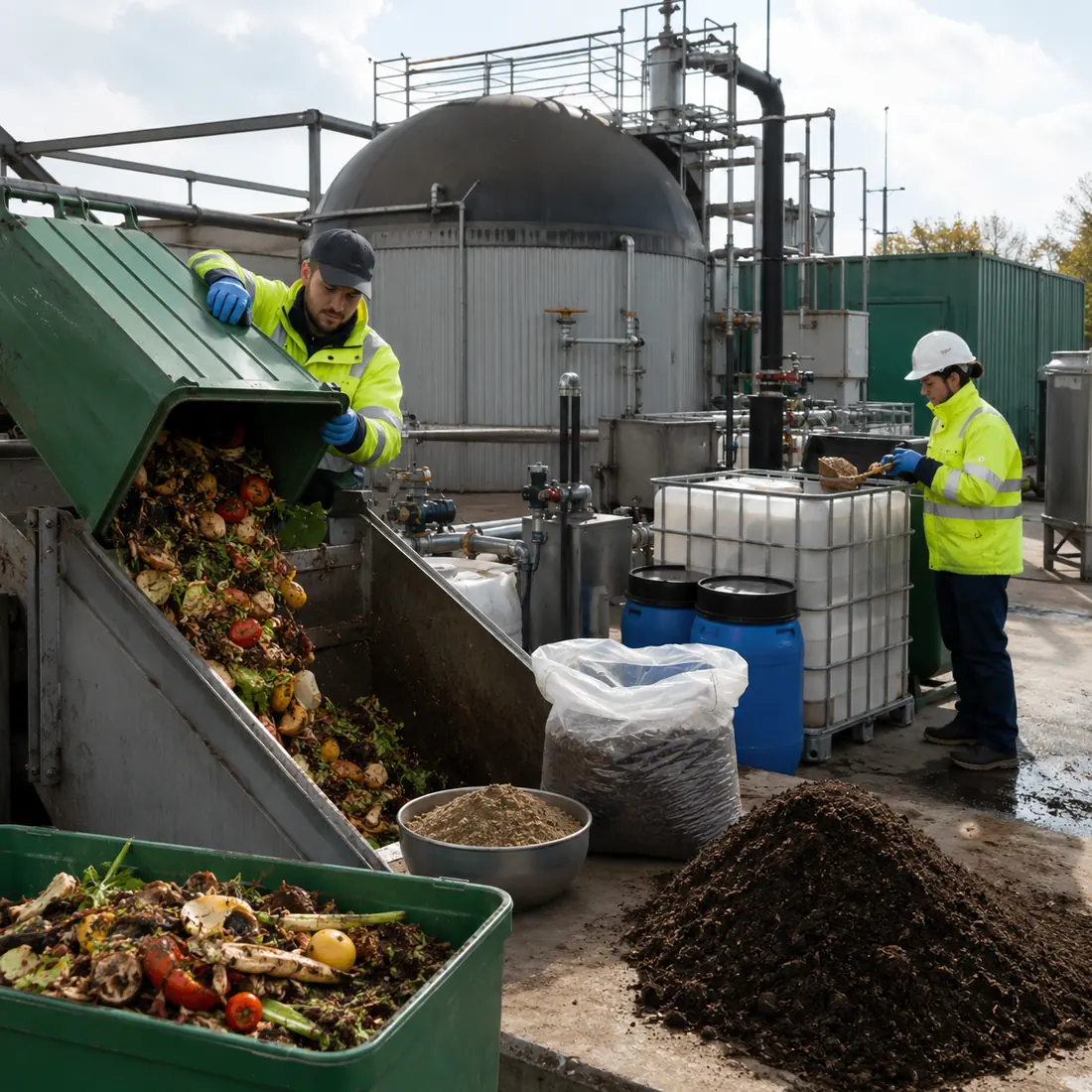
Multiple campuses, food businesses and municipalities can combine eligible streams with existing processing infrastructure, rather than carrying full project economics alone.
Lower disposal and logistics costs; contracted processing; saleable co-products; potentially eligible and independently verified carbon removal.
Procurement-grade feedstock, processing and offtake economics—not a request to install new equipment at every location.
Source-separated organics → aggregation and existing AD/thermal operations → conditioned carbon streams and products.
Feedstock composition, conversion yield, durability, contaminant control, MRV and lifecycle assessment.
Validate a named buyer or removal purchaser’s criteria; secure processing-site interest; compare a centralized/retrofit TEA with alternatives.
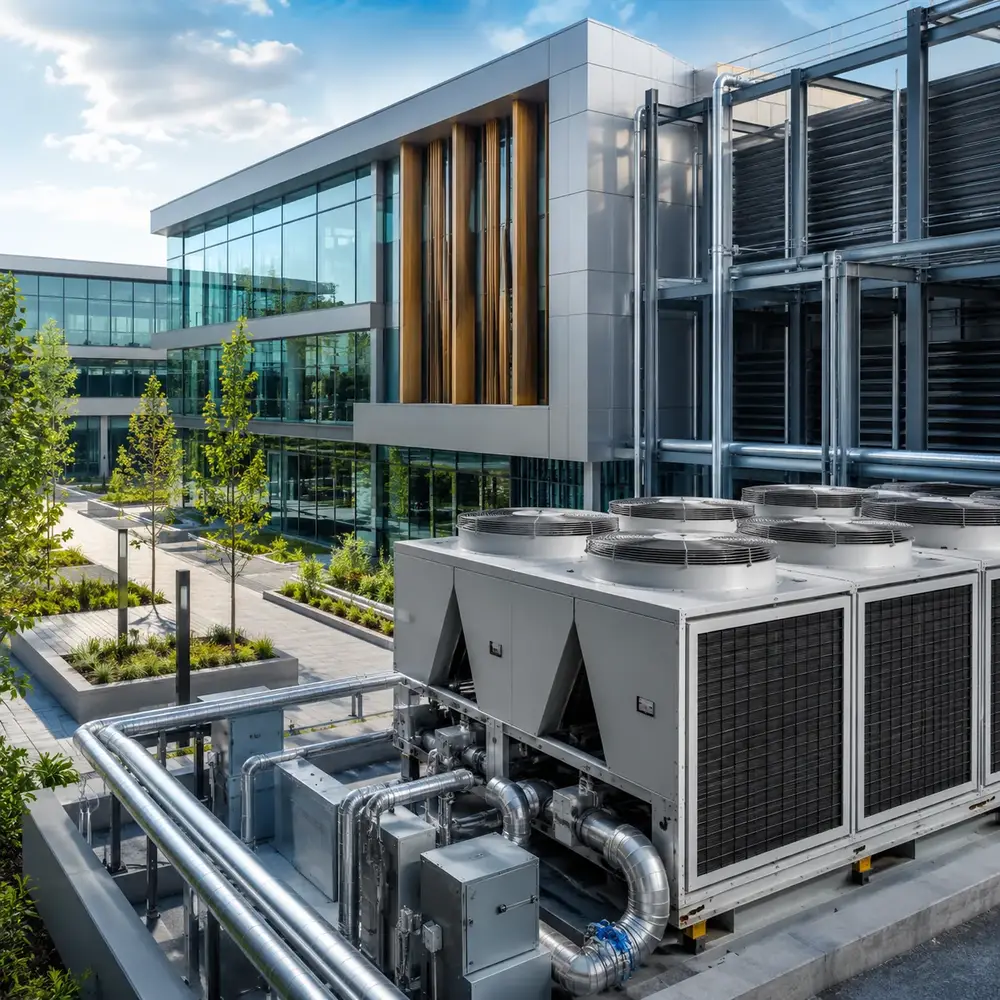
Airports, campuses, retail facilities and other buildings operate HVAC systems. CRT examines whether those systems could host commercially useful carbon capture and reuse—not whether capture is already economic.
Potential carbon supply, operational services or downstream products; only viable where capture, energy and product economics clear a real threshold.
Compare a concrete operating or purchased-CO₂ advantage against existing supplier costs and disruption.
Building airflow and indoor/outdoor CO₂ → qualified capture/separation → purification and a defined receiving use.
CO₂ concentration, airflow, pressure drop, energy/regeneration duty, purity, maintenance, health and building-code constraints.
Obtain actual building conditions, the intended CO₂ buyer’s specification and a realistic energy-and-cost balance before a pilot.
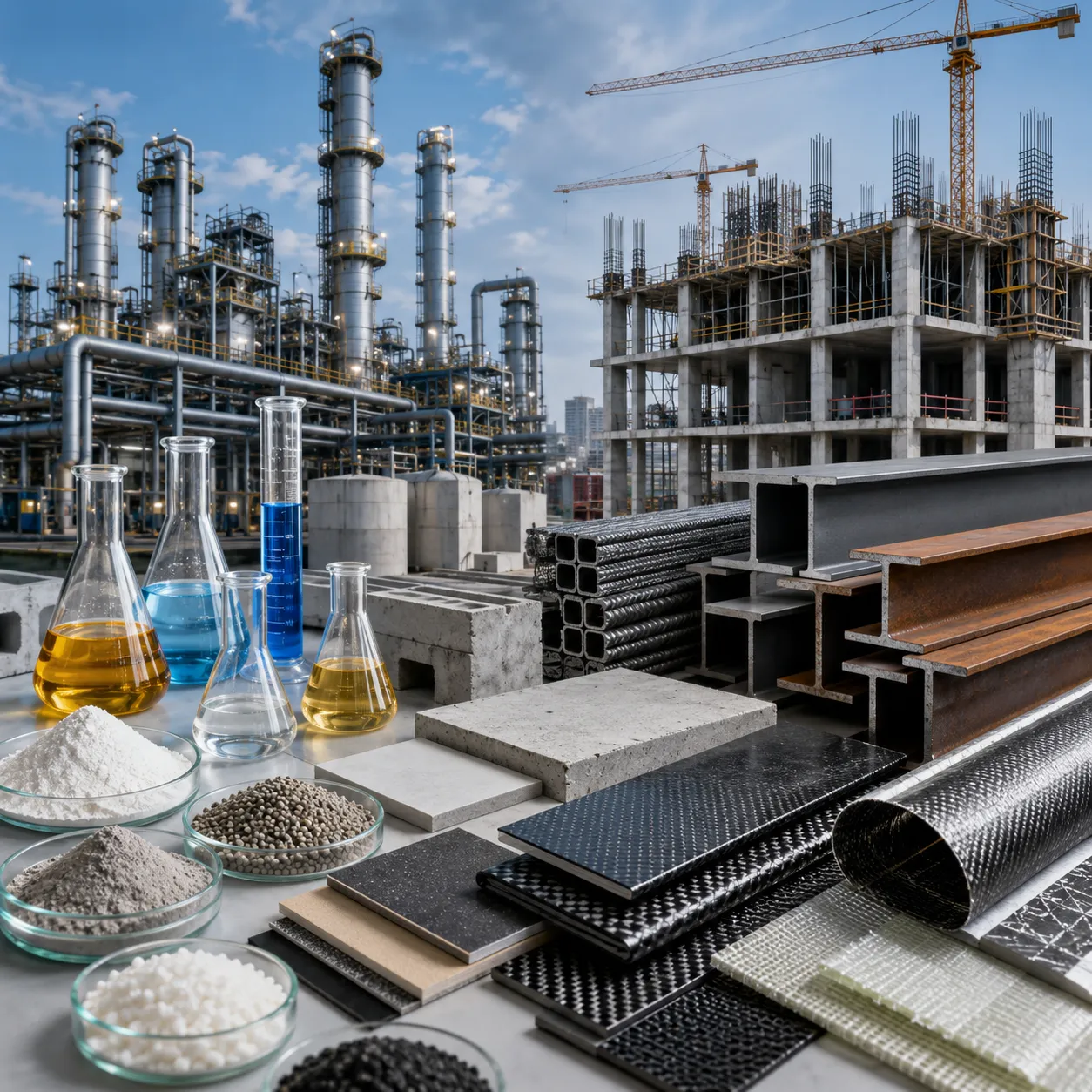
Waste-to-energy residues, mineral streams and industrial CO₂ may support useful products, but require source access, environmental testing and buyer specifications first.
Potential new materials, reduced disposal liabilities and improved supply economics where performance, safety and acceptance are demonstrated.
Begin with product cost, substitution tolerances, purchasing standards and liability—not a generic low-carbon material claim.
Eligible residuals or minerals + suitable CO₂ → reaction and conditioning → regulated construction or industrial products.
Composition variability, metals/leachability, reaction chemistry, embodied carbon, long-term performance, standards and test method.
Secure operator permission and identify the qualified materials buyer; commission an application-specific sampling and validation plan.

Food service, campuses and beverage facilities already procure CO₂. CRT can test whether a local supply pathway can meet purity, cost, safety and uptime requirements.
Potential supply resilience and purchased-gas economics; actual savings depend on delivered gas price, scale and qualification.
An existing purchased input creates a practical unit-economics comparison—not a request to sponsor speculative climate R&D.
Defined carbon source → capture/purification → food-grade qualification and storage → approved beverage carbonation.
Contaminant monitoring, food-contact qualification, pressure and reliability, purification energy, and lifecycle boundaries.
Obtain facility CO₂ demand and incumbent purchasing costs; identify applicable purity and regulatory requirements and validate source suitability.
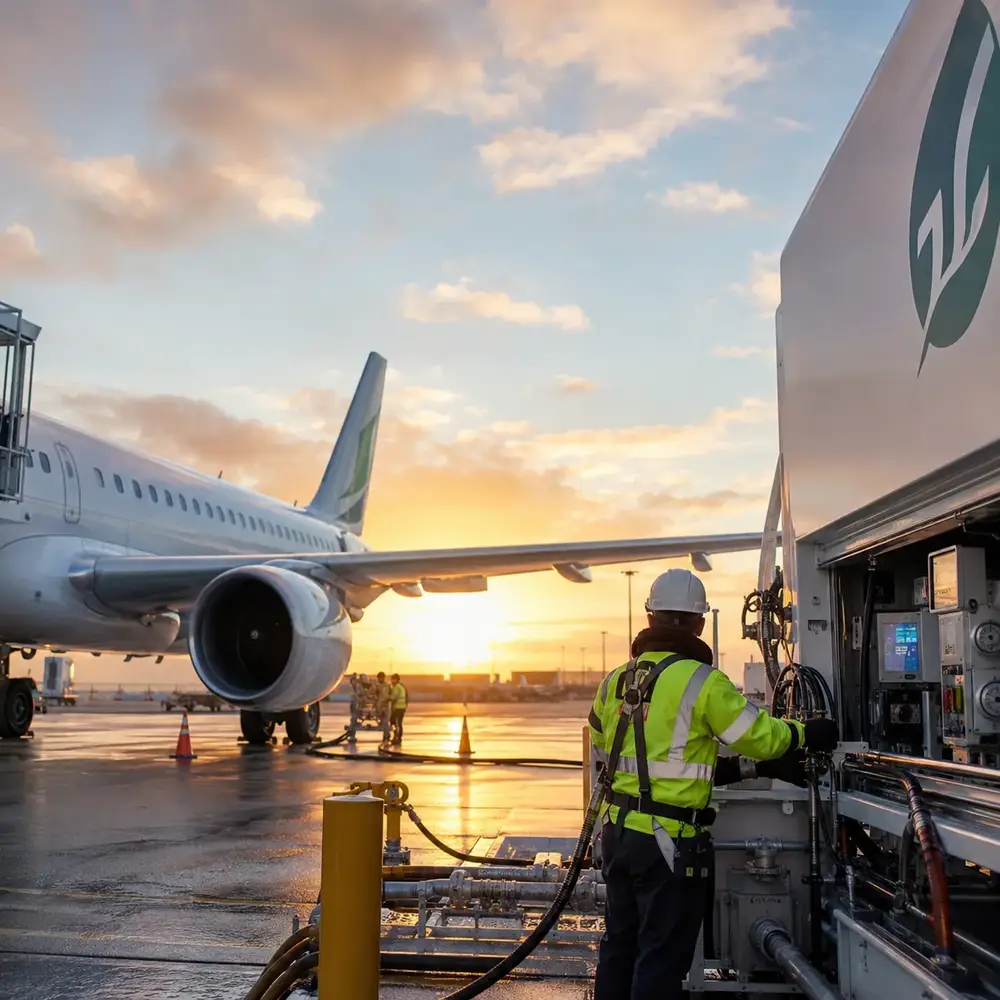
Airlines, industrial users and chemical buyers have very different product requirements. Market specifications determine which capture, conversion and energy technologies belong together.
Potential fuel, chemical or energy-product sales where qualified product, power supply, carbon source and total cost meet real buyer criteria.
Begin with volume, delivered price, certification and operational fit; avoid treating broad climate interest as committed offtake.
Specified CO₂ and other inputs + externally supplied energy or reagents → conversion → qualified fuel or chemical product.
Energy efficiency, selectivity, stability, separations, system integration, lifecycle analysis and product certification.
Confirm buyer product and offtake requirements; establish process-level mass/energy balance and a funded science workplan.

Retailers and branded-product manufacturers can create value by shaping material collection, sourcing, packaging and customer participation across multiple sites.
Potential recovered-feedstock supply, reduced disposal spend, supply-chain value and product differentiation when measurable and contractable.
Enable supply-chain buyers to set requirements and co-fund recovery, without assuming retail staff or customers change behavior.
Consumer/business material streams → permissioned collection and sorting → verified grades → a paying recycled-material end market.
Material identification, sorting, contamination, conversion, source tracking and lifecycle measurement.
Identify a named materials buyer and its actual specifications; secure collection partner economics and site permissions before scaling.
Opportunity hypotheses are not endorsements, approved collaborations, tested integrations, available licenses or confirmed environmental claims. Commercial interest and technical feasibility must be documented per opportunity.
Market buyers need a defensible economic outcome. Universities and inventors need meaningful science, research funding, rights clarity and commercial pathways. Operators need practical site economics. Sponsors need a milestone they can finance. CRT engineers the conditions under which those incentives can converge.
How institutional science participates ↗A focused development scope specifies the buyer need, expected economic advantage, research and IP questions, scientific contributors, operational interface, budget, acceptance criteria and stop conditions. It gives a sponsor a practical next decision.
A historical conversation, accepted meeting, review-stage invitation or technical proposal is not an executed partnership or buyer commitment.